
High arch is a condition where the arch of the foot is significantly higher than normal. This structural abnormality can affect the way you walk and distribute weight across your feet, often leading to various foot problems.
What Causes High Arch?
- Genetics: High arches are often inherited and present from birth.
- Neurological Conditions: Certain neurological disorders, such as Charcot-Marie-Tooth disease, cerebral palsy, or stroke, can lead to high arches.
- Muscle Imbalances: Imbalances in the muscles of the feet and legs can also contribute to the development of high arches over time.
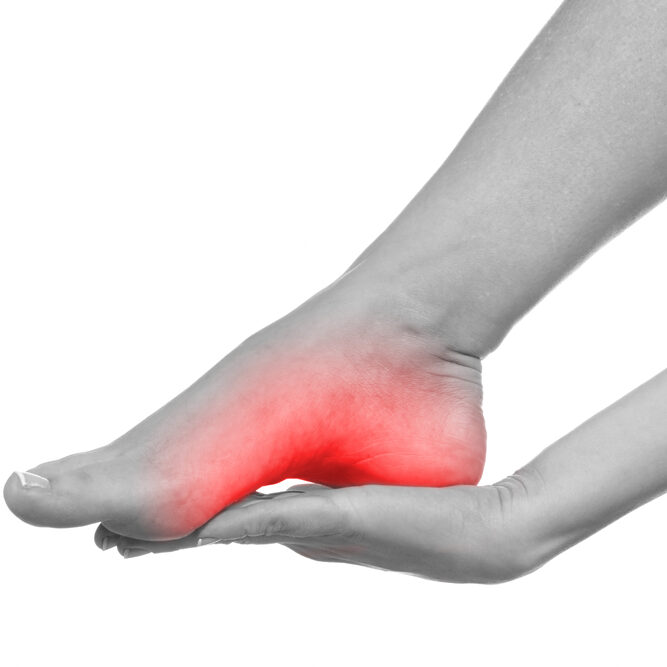
Symptoms
- Foot Pain
- Instability
- Difficulty Maintaining Balance
- Calluses and Corns
- Toe Deformities
- Foot Fatigue
Can It Be Cured?
While the underlying high arch structure may not be cured, symptoms can be effectively managed and complications can be minimized through various treatments.
Treatment Options:
- Orthotic Devices: Custom orthotics provide support, improve weight distribution, and cushion the high arch to relieve pain.
- Supportive Footwear: Shoes with good arch support and cushioning can help accommodate the high arch and reduce pain.
- Physical Therapy: Exercises to strengthen and stretch the muscles in the feet and legs, improving stability and reducing discomfort.
- Bracing: Ankle braces may help provide additional support and prevent sprains.
- Pain Relief: Over-the-counter pain relievers or anti-inflammatory medications can help manage pain and swelling.
- Surgical Intervention: In severe cases, surgery might be considered to correct structural deformities or relieve pressure on the foot.
At Phoenix Diagnocare, we offer comprehensive care for individuals with high arches. Our approach includes detailed assessments, personalized treatment plans, and ongoing support to help you manage symptoms and maintain foot health. With our expertise and advanced solutions, we ensure that you receive the best care for your high arch condition.